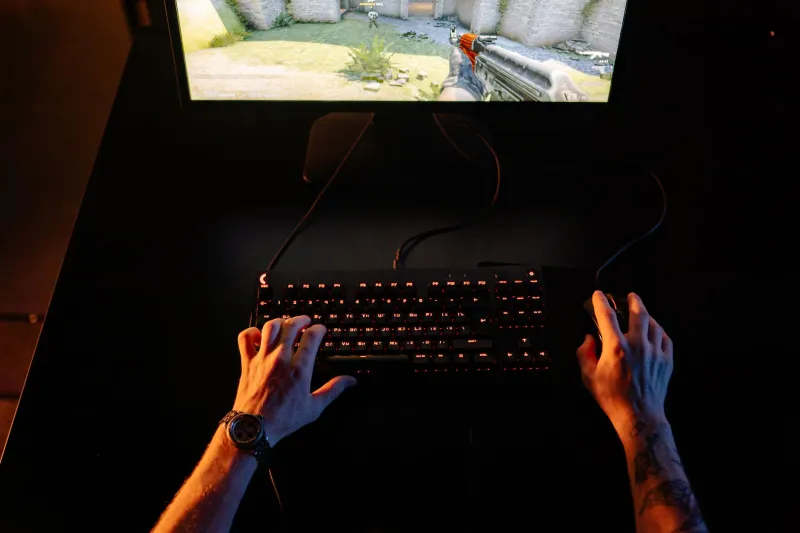
Pistol Round Dominance: The Layered Utility Stacking Systems Pro Teams Use to Bank Free Rounds
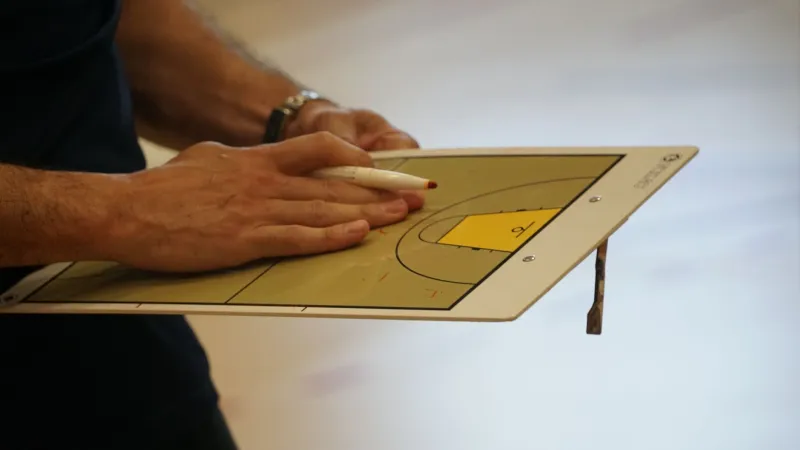
There's a moment in almost every competitive match where one team looks like they're playing chess and the other team is playing checkers. Nine times out of ten, that moment happens in the first minute of the game — during the pistol round.
Most squads at the amateur and semi-pro level treat pistol round utility like it's decorative. A flash gets popped early, a smoke gets thrown somewhere vaguely useful, and then five players run at a site hoping aggression covers for the lack of coordination. It doesn't. Not against teams that actually prep these rounds.
Top-tier squads — the ones consistently cashing checks at LAN events and grinding through open qualifiers — run what coaches and analysts have started calling stacking systems. These aren't just utility combos. They're layered decision trees designed to force defenders into positions where every choice they make is the wrong one. Let's break down how they actually work.
What a Stacking System Actually Means
The term sounds fancier than it needs to be. At its core, a stacking system is a coordinated sequence of utility deployments tied to specific player positions and timing windows. The key word is layered. Each piece of utility isn't just doing its own job — it's creating the conditions for the next piece to land.
Think about a standard flash-and-peek. One player throws a pop flash, another player swings the angle. That's a two-layer system. Now imagine that same sequence, but the flash is preceded by a smoke that pushes a defender off their default position, which forces them into a secondary angle, which is exactly where the pop flash lands. Add a third player holding the rotation path so the defender can't fall back safely, and suddenly you've built a three-layer trap out of three pieces of utility and coordinated positioning.
That's the concept. The execution is where teams separate themselves.
The Three Components Every Pro Stack Uses
1. The Displacement Layer
Before any aggressive utility gets used, elite teams deploy what analysts call a displacement piece — usually a smoke or a Molotov — designed specifically to move defenders out of their strongest position. This isn't about blocking vision for your team. It's about making the opponent uncomfortable enough to shift their footing.
On a site like B on Mirage, a well-timed smoke on van forces AWPers off their default perch. On Inferno, a smoke on CT can collapse the entire rotation window. The displacement layer doesn't need to be flashy. It just needs to be early enough that the defender is already reacting by the time the aggressive utility arrives.
2. The Commitment Flash
Once the displacement is in play, the commitment flash does the real work. This is where most amateur squads get it wrong — they throw flashes that are easy to dodge because defenders are still in comfortable, known positions. When a displacement layer has already moved the opponent, the commitment flash lands in the new position, not the expected one.
The timing here matters more than the throw itself. Pro teams drill specific flash timings relative to smoke deployment to the point where the flash hits exactly when the smoke is establishing — that two-second window when defenders are shifting and can't effectively reposition. Miss that window by even a second and the whole stack falls apart.
3. The Positioning Chain
This is the part nobody talks about enough. Utility is only half the system. The other half is where every player on the team is standing when the utility sequence fires.
Pro teams set up positioning chains — each player's location is chosen specifically to create a coverage problem for the defense. If a defender tries to hold the primary angle, Player A has them. If they rotate to deal with the flash, Player B is already there. If they fall back to a safer position, the smoke from the displacement layer has cut off their best fallback spot.
You're not just throwing utility. You're building a spatial puzzle that has no clean solution.
A Template You Can Actually Steal
Here's a simplified version of a B-site stack you can run in your next match. This works on most standard competitive maps and doesn't require insane mechanical skill — just coordination and communication.
Setup: Three players execute, two players hold flanks and fake pressure elsewhere on the map.
Step 1 (Displacement): Player 1 smokes the primary defender position at B — the angle that would normally give the defender a clean crossfire on entry. This happens before any other movement toward the site.
Step 2 (Timing Window): Players 2 and 3 move into position during the smoke deployment. They are NOT pushing yet. They're establishing the positioning chain — one ready to swing the left angle, one covering the right.
Step 3 (Commitment Flash): Player 1 fires a pop flash timed to the moment the smoke has fully established. The flash lands on the secondary position the defender shifted to when the smoke went out.
Step 4 (Simultaneous Entry): Players 2 and 3 swing simultaneously. The defender is flashed, displaced from their primary position, and now has two angles to deal with at the same time.
This is a three-piece sequence that creates a genuine no-win scenario. And it's designed around a pistol round, where the defender has no armor, limited utility of their own, and is almost certainly playing cautiously.
Why This Matters More in Pistol Rounds Than Anywhere Else
Here's the economic reality: a pistol round win doesn't just net you the round cash. It sets your team up for a bonus round with rifles while the other side is scraping together pistols and armor. A clean pistol round win followed by a bonus round win is essentially a free 2-0 half start. That's enormous.
Teams that treat pistol rounds like regular rounds — throw some utility, play for picks, hope the chaos works in their favor — are leaving economic equity on the table every single half. Teams that run deliberate stacking systems are essentially printing money in the early economy.
The math on this is straightforward. If your stacking system increases your pistol round win rate by even 15-20%, over a full tournament bracket that translates to multiple rounds you wouldn't have otherwise won, potentially flipping matches entirely.
Building This Into Your Squad's Prep
The hard part isn't understanding the concept — it's drilling the sequences until they're automatic. Coordination under pistol round pressure is genuinely difficult. Players are nervous, the stakes feel high, and the temptation to freelance is real.
Start small. Pick one map. Design one stacking system for one site. Run it in scrims until every player knows their displacement timing, their commitment flash window, and their positioning chain role without having to think about it. Once that's locked in, build out from there.
Pro teams aren't running these setups because they're creative geniuses. They're running them because they practiced them until execution became muscle memory. That's available to any squad willing to put in the reps.
Pistol rounds aren't coin flips. Stop treating them like they are.