Aim Lab Won't Save You When the Clock Hits Zero
Let's be honest for a second. You've seen the clips — someone posts their Gridshot score, their Voltaic benchmark, their smooth tracking numbers — and everyone in the comments treats it like a guarantee of in-game dominance. Then that same person hops into a ranked lobby and gets walked off the server by a guy with a $30 mouse and zero aim trainer hours.
It's not a fluke. It's a structural problem with how most players approach practice.
The Bubble You're Training In
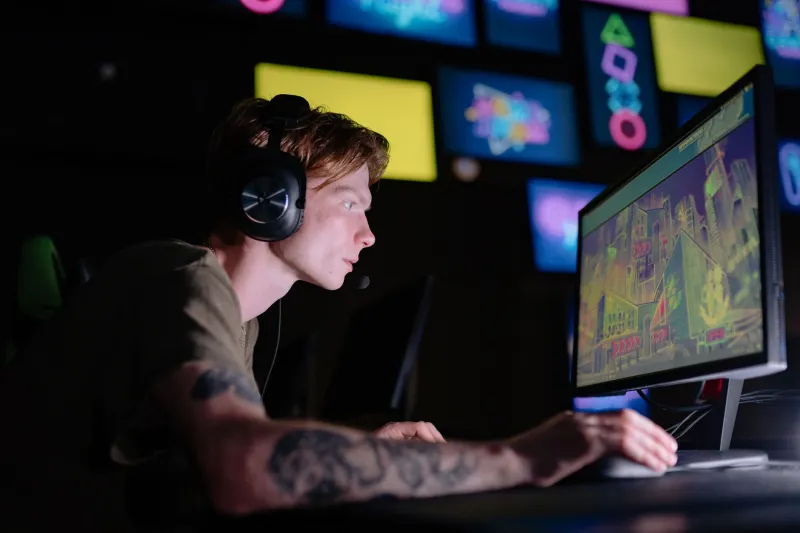
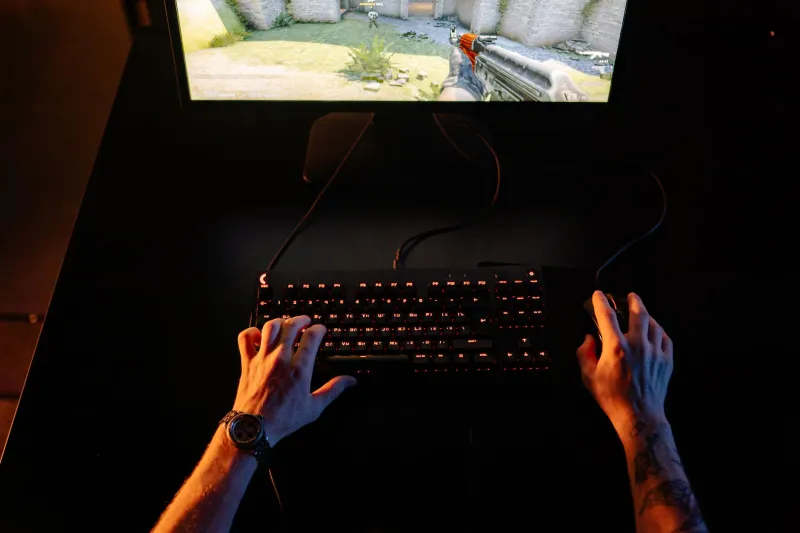
Aim trainers are clean. That's the whole appeal. No comms, no economy pressure, no teammate yelling about a lurker on B site, no round timer screaming at the back of your brain. You sit down, fire up the scenario, and your nervous system operates in a low-stakes vacuum where focus comes easy and there's zero consequence for hesitation.
That environment builds one very specific thing: isolated motor skill. Your hand learns the movement. Your eye learns the tracking arc. And in that bubble, you improve — genuinely. The problem is your brain is also learning something else at the same time: that aiming happens in silence, without pressure, and with infinite retries.
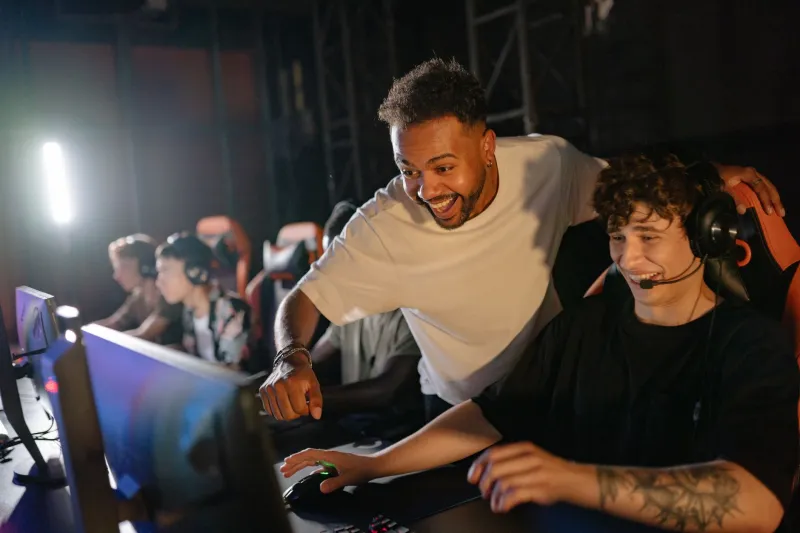
When you step into a real match, the context changes completely. The stakes are live. A bad shot doesn't reset — it costs your team a round, maybe the half, maybe the match. Your comms channel is active. Your heart rate ticks up. And suddenly all that clean muscle memory you built starts leaking.
Sports psychologists have a term for this: context-dependent learning. Skills practiced in one environment don't automatically transfer to a different one. Soldiers train under simulated stress because they know calm-range accuracy doesn't translate to combat accuracy. Athletes practice in crowd noise because game-day pressure changes performance. Gamers, for the most part, skip this step entirely.
Why Your Aim Feels Different In-Match
Here's what's actually happening physiologically when you queue ranked.
Your body treats competitive gaming pressure as a mild threat response. Cortisol ticks up slightly. Fine motor control — the exact thing precision aiming depends on — degrades under stress. Your grip tightens. Your mouse movements get choppier. Your eye starts jumping between threats instead of locking onto targets cleanly.
None of this happens in Aim Lab. So you build a skill set calibrated for a body that's calm, and then deploy it in a body that isn't.
Beyond physiology, there's cognitive load. In a real match, your brain is processing map state, teammate positions, economy, callouts, and rotations simultaneously. Aiming in that context is a divided attention task. In an aim trainer, it's your only task. The difference in mental overhead is massive, and your click timing reflects it.
What Good Transfer Training Actually Looks Like
None of this means you should delete Aim Lab. The tool isn't the problem — the way most people use it is.
1. Train under manufactured discomfort.
The goal is to introduce stress into your aim trainer sessions so your nervous system stops associating the tool with calm. Simple options: set aggressive time limits on scenarios, add a penalty ritual when you miss (like dropping to a harder scenario immediately), or run sessions right after physical exercise when your heart rate is already elevated. Sounds weird, but it works.
2. Pair aim sessions with immediate in-game play.
A lot of pros use aim trainers as warmup, not as standalone grind. Fifteen to twenty minutes of focused scenarios, then straight into deathmatch or ranked — while your hand is warm and your brain is making the connection between trainer feel and game feel. The transfer happens in the transition, not in the trainer alone.
3. Build scenario playlists that mirror real match scenarios.
Most players grind the flashiest, most satisfying scenarios — the ones where you're clicking a hundred targets a minute and feeling like a machine. But real matches involve close-range flicks, mid-range tracking through partial cover, and re-aiming after a missed first shot. Build your playlist around what actually happens in your game, not what feels impressive.
4. Introduce cognitive load deliberately.
Play a podcast or put on a stream while running aim scenarios. Call out targets out loud. Do anything that splits your attention even slightly. It sounds counterintuitive, but you're training your aim to function under divided focus — which is exactly the condition it needs to perform in during a real match.
The Confidence Trap Is the Real Enemy
Here's the part nobody wants to hear: high aim trainer scores can actively hurt you.
When you post clean benchmarks, your brain starts telling you that your aim is solved — that if you're losing, it must be something else. So you don't address the match-aim breakdown. You just keep grinding scenarios, keep posting scores, and keep losing rounds you should be winning.
False confidence in a skill gap is worse than just having the gap. At least if you know your match aim falls apart under pressure, you can work on it. If you think your aim is fine because your Gridshot score says so, you'll never look in the right direction.
The players who actually improve aren't the ones with the best benchmarks. They're the ones who notice the disconnect between training performance and match performance, get curious about why it exists, and build practice habits that close the gap.
A Simple Reset for Your Practice Routine
If you're grinding aim trainers daily and not seeing it translate, try this structure for two weeks:
- Cut aim trainer time to 20 minutes max per session
- Follow every session immediately with 15–20 minutes of in-game deathmatch
- Once a week, record a ranked match and specifically review rounds where you missed shots you'd make in training — note what was different
- Identify your two or three most common in-match miss types and build specific scenarios around those
That's it. Nothing revolutionary. But it forces the connection between training environment and match environment that most players skip entirely.
Aim trainers are a tool. A good one, used right. But if your ranked performance isn't reflecting your benchmark scores, the problem isn't your hand — it's the context gap between where you're practicing and where you're competing. Close that gap, and the hours you're already putting in will finally start showing up when it actually counts.