Hunting the Tilted: How Smart Teams Read Emotional Collapse and Farm Free Rounds Off It

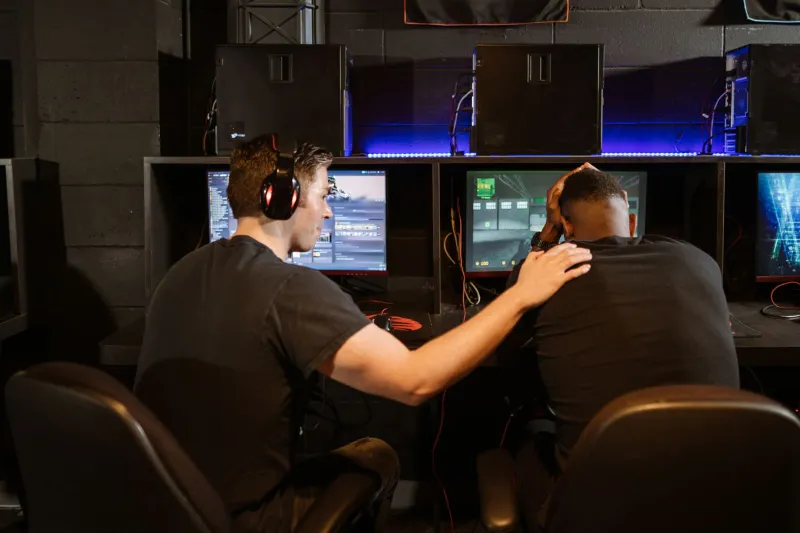
Every competitive player has felt it. One bad round bleeds into another. The crosshair starts chasing instead of waiting. The utility gets thrown early because patience ran out two deaths ago. That creeping, suffocating feeling where nothing works and everything feels personal — that's tilt. And while most players are busy trying to fight their way out of it, the smartest opponents in the room are busy farming it.
Tilt isn't just bad vibes. It's a behavioral algorithm. And once you understand how it runs, you can predict it, bait it, and punish it with surgical precision.
What Actually Happens When a Player Tilts
Let's start with the brain stuff, because it matters more than most players want to admit.
When frustration spikes — after a string of bad deaths, a missed clutch, or a teammate who keeps feeding — the prefrontal cortex starts losing the argument to the amygdala. In plain terms: the rational, strategic part of your brain gets overruled by the emotional, reactive part. You stop playing your game and start playing your feelings.
The result is a very specific set of behavioral shifts that show up consistently across skill levels and game titles:
- Aggression spikes. Tilted players push angles they'd normally hold. They peek fights they have no business peeking. Patience evaporates.
- Utility goes reckless. Smokes get thrown wrong or too early. Flashes get wasted on solo plays instead of coordinated setups.
- Positioning gets sloppy. Wide peeks replace tight angles. Players overextend trying to make a play that "proves" they're not the problem.
- Communication breaks down. Either they go silent or they start over-calling, flooding the channel with noise that disrupts the whole team.
Here's the key insight: these shifts are consistent. Tilted players, across games and competitive levels, follow patterns. They're not random. They're predictable.
How Pro Teams Actually Scout for Tilt
Analysts at the top level don't just watch for mechanical errors. They watch for behavioral signatures. A player who usually holds a specific angle starts abandoning it early? Flag. A fragger who typically waits for the setup suddenly goes for a solo hero play? Flag. Utility usage becoming scattered and poorly timed? Flag.
Teams that invest in deep opponent scouting build what some analysts call a "tilt profile" for high-variance players — guys known to be emotionally reactive under pressure. They track round-by-round behavior shifts in VOD reviews and look for the exact moment a player's decision-making stops being strategic and starts being emotional.
Once that shift is spotted mid-series, the opposing team adjusts. They start playing into the tilted player's aggression. They set traps at angles the player is likely to over-peek. They deliberately delay executes to extend the round and let frustration compound. It's not disrespectful — it's just smart competitive play.
The Tournament Evidence Is Everywhere
You don't have to look hard to find real examples of emotional collapse determining series outcomes at the highest level.
Think about any major CS2 or Valorant tournament where a team that looked dominant in early rounds suddenly started hemorrhaging rounds mid-map. Half the time, it's not a tactical adjustment from the opponent — it's one or two players on the losing team entering a feedback loop of bad decisions. The opponent didn't outsmart them. They just stopped making them outsmart anything.
In one memorable IEM run, analysts pointed out how a team's star entry fragger — after two back-to-back deaths to the same angle — started wide-swinging that spot every single round, burning himself trying to "solve" the problem emotionally. The opposing team caught on within two rounds and had players pre-positioned to punish it for the rest of the half. A personal frustration became a team-wide liability.
That's the tilt algorithm in action. One player's emotional state turned into a predictable behavior, and the opponent monetized it like a stock tip.
The Counter-Tilt Playbook
So what do you do with this information? Two things: stop leaking tilt yourself, and start hunting it in opponents.
On your own side:
The teams that hold it together under pressure aren't the ones with the best mechanical players. They're the ones with the best reset protocols. Quick mid-round comms that refocus the team. Short-form callouts that acknowledge a bad outcome without dwelling on it. Structured timeout use to break emotional momentum before it compounds.
One of the most underrated habits pro teams build is what you'd call a "death acknowledgment" culture — when you die, you call out information, not frustration. "He's holding B short" instead of venting. It keeps the dead player contributing and prevents the emotional spiral from infecting the rest of the round.
On the opponent side:
If you're watching a match and you see a player starting to over-peek, start thinking about where they're going to over-peek next. Set the trap. Play slower. Let the round length grind against their patience. Force them to make the impatient move.
In ranked play, this looks like holding off-angles against players who keep pushing. In team play, it means calling out when an opponent is playing emotionally and adjusting your setup to punish the predictable aggression.
The Bigger Picture
Tilt isn't a character flaw. It's a physiological response under pressure, and every player experiences it. The difference between good players and elite players isn't that elite players don't tilt — it's that they recognize the signs earlier, reset faster, and minimize the behavioral drift before opponents can capitalize on it.
But if you're on the other side of that equation? Recognize the signs in your opponents. Because when someone else's emotional control breaks down, that's not just a mental health moment — it's a competitive opportunity. The best teams in the world treat it exactly like that.
Shoot smart. Aim true. And the next time you see someone over-peeking out of frustration, set the trap and collect the round.