When the Playbook Dies: How Roster Friction Quietly Destroys World-Class IGL Systems From the Inside
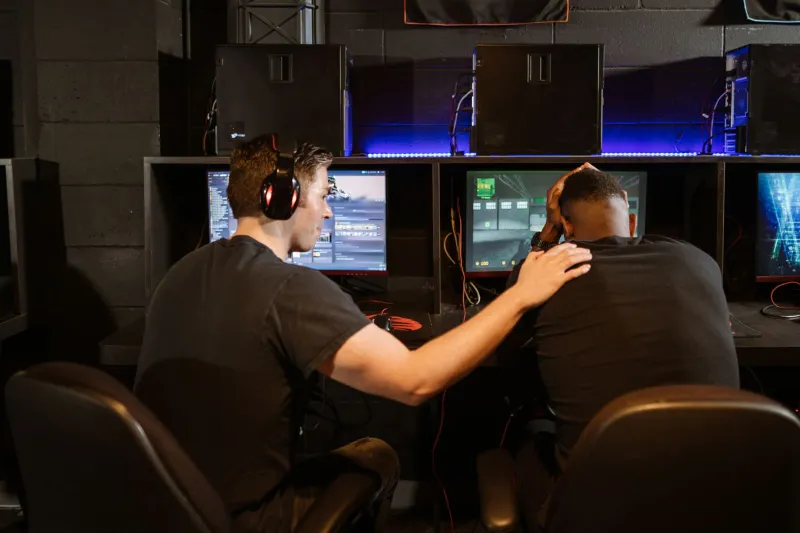
There's a particular kind of tournament loss that doesn't make sense on paper. The team had the strats. The IGL had the read. The economy was managed correctly, the setups were sound, and the utility usage was textbook. But somewhere between the call and the execution, the whole thing fell apart like wet cardboard.
That's not a tactical failure. That's a chemistry failure. And it's way more common at the highest levels of competitive shooting than anyone wants to admit.
The Illusion of a Working System
Most people watching competitive CS2, Valorant, or any other tactical shooter assume that when a team is struggling, the problem is strategic. Bad reads, wrong buys, poor map control. These are the things analysts dissect on broadcast. They're visible. They're clean. They make for good content.
What doesn't make it onto the broadcast is the five-second pause before a player executes a call — that half-beat of hesitation that tells you everything about how much trust is left in the room. You can't clip that. You can't timestamp it in a VOD. But coaches feel it immediately, and experienced opponents exploit it without even knowing why.
When roster chemistry starts breaking down, the IGL's calls don't stop being good. They just stop being followed. Players begin hedging. They execute at 80 percent conviction. They hold angles a half-second longer than they should because some part of their brain is second-guessing whether the call was right. That's not cowardice. That's what happens when trust erodes.
What "Half-Hearted Execution" Actually Looks Like
Here's the thing about half-hearted execution — it rarely looks like outright defiance. Nobody's going the wrong way on purpose. What actually happens is subtler and harder to correct in real time.
A lurker takes one extra second to commit, and the timing the IGL built the whole round around collapses. An entry fragger peeks at 90 percent of their usual aggression because they're not sure the support is going to be there. A support player throws utility two steps late because they're mentally processing whether they agree with the call rather than just running it.
None of these are catastrophic individual errors. But stack them across twenty rounds and you've lost a map you had no business losing. The tactical system looks broken from the outside. The actual problem is that the people running it have quietly stopped being a unit.
When Friction Hits Economy Management Hardest
One of the most underrated places where roster chemistry collapses is in economy calls. Buy rounds and force rounds require unanimous buy-in — literally. If one player decides to full-buy when the IGL called a save, or drops a rifle to a teammate they've been feuding with two beats too slow, the economic scaffolding that competitive teams spend months building can unravel in a single half.
Economy management in competitive shooters is fundamentally a trust exercise. You're asking players to sacrifice personal firepower in the current round for a collective advantage two rounds from now. That requires believing the person making the call has everyone's best interest in mind. The moment players start suspecting favoritism, blame-shifting, or that the IGL is protecting certain players' stats over team outcomes, the willingness to sacrifice drops fast.
This is how teams that look financially disciplined in scrims suddenly start playing chaotically in bracket play. The friction that was manageable in a low-stakes environment becomes a fault line when the pressure goes up.
The Tournament Collapse Pattern
Look at the structure of most high-profile team collapses at major tournaments and you'll see a recognizable shape. The team enters the event with legitimate credentials. Early rounds go fine — the system is still running on stored goodwill and momentum. Then something goes wrong. A key round loss, a bad call that costs the team a map, a public disagreement that leaks into comms.
Instead of resetting, the friction that was already present before the tournament gets activated. Players stop calling out for each other. The IGL starts over-explaining calls mid-round, which kills timing. The team's star fragger starts going off-script to "make plays" because they've mentally checked out of the collective system. Within two maps, a team that looked like a contender is exiting in a result nobody predicted.
The playbook didn't fail. The relationships that were supposed to run the playbook failed.
What Separates Reset Teams From Implosion Teams
Some teams collapse under this pressure. Others hit the same friction wall and somehow come back stronger within the same tournament run. The difference isn't talent. It's not even coaching, though coaching matters. It's whether the team has built any shared language for acknowledging that things are going wrong without assigning blame in real time.
Teams that reset well tend to have a few things in common. They have short-term pressure valves — usually a timeout structure where the conversation is explicitly about the next round only, not the last three. They have at least one player whose unofficial role is emotional regulation: not the star, not the IGL, but the person who keeps the vibe from curdling completely when the calls stop working.
Most importantly, they've had the hard conversations before the tournament started. The teams that implode are usually the ones where the friction was already there but everyone agreed not to talk about it until it became undeniable. By the time it's undeniable, you're down two maps in a best-of-three and there's no time to fix anything.
The Coach's Actual Problem
Coaches and IGLs in this situation face a brutal paradox. If they call out the chemistry problem openly during a tournament run, they risk blowing up what's left of team cohesion mid-event. If they ignore it and keep running the system, they're watching their own framework get sabotaged from the inside in slow motion.
The coaches who navigate this best tend to do something counterintuitive: they simplify the system. When friction is high and trust is low, a complex tactical framework becomes a liability because it requires too many micro-decisions that depend on players trusting each other's reads. Stripping the system down to fewer calls, cleaner defaults, and higher individual autonomy gives players permission to compete without having to constantly rely on the group dynamic that's currently broken.
It's not the optimal system. But an 80-percent system executed with full conviction beats a perfect system executed at half-speed every single time.
The Real Takeaway
If you're running a team — whether it's a serious ranked squad or grinding through open qualifiers — the tactical stuff is the easy part to fix. Strats can be revised overnight. VODs can be reviewed in an hour. But if the people on your team have stopped trusting each other, no amount of strategy is going to paper over that.
The best IGLs in the world aren't just tacticians. They're relationship managers operating under extreme pressure with real money and real careers on the line. The playbook is only as good as the people who believe in it.
And when they stop believing, the graveyard fills up fast.