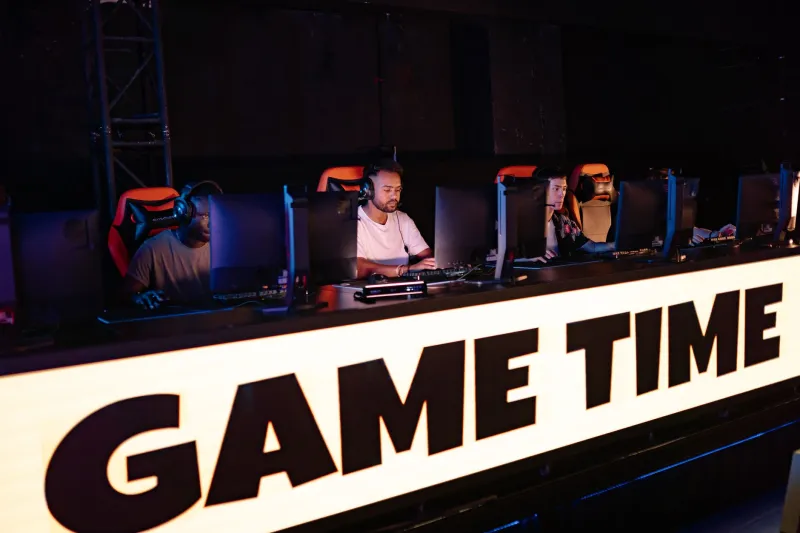
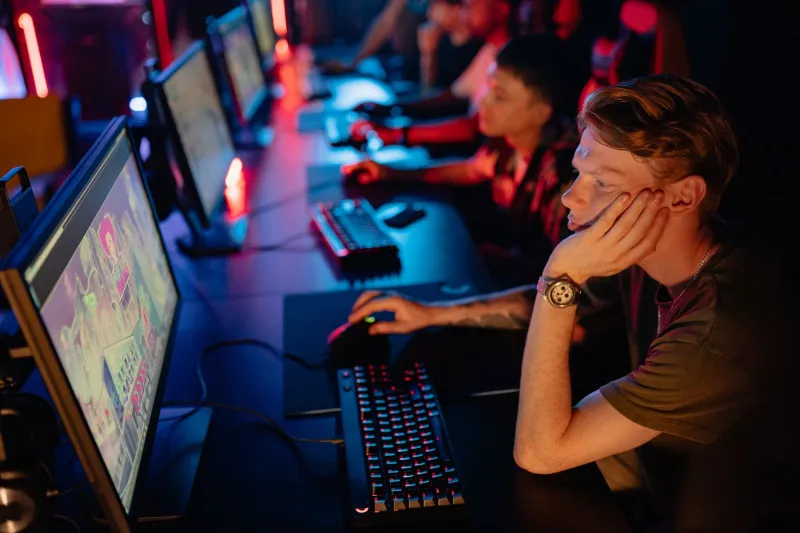
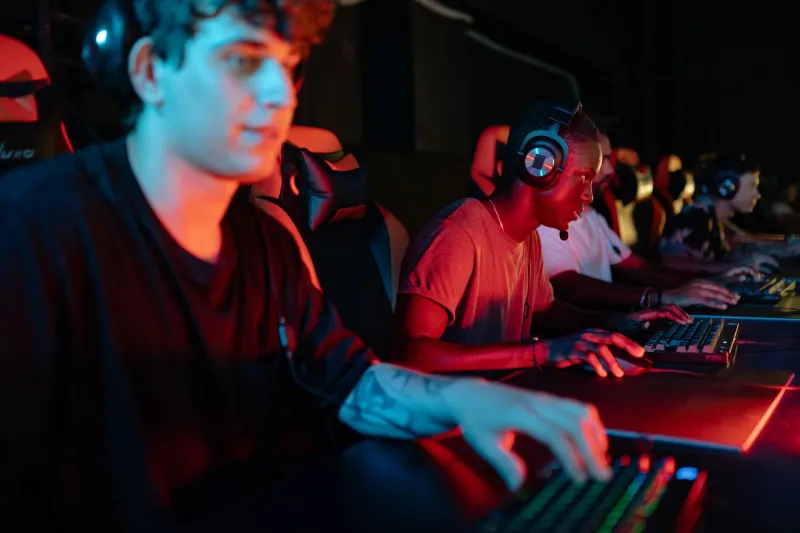
Your Aim Is Immaculate — Your Teammates Are Standing in a Cluster Waiting to Die
Let's set the scene. You've spent months grinding your aim. Your crosshair floats to heads like it's magnetized. Your flick shots are clean, your tracking is smooth, and your spray control is genuinely impressive. You queue up for ranked, you're in position, and then — somehow — you still lose the gunfight two-on-one.
Not because you missed. Not because your ping spiked. Because your teammate was standing directly behind you, and the moment you got traded, the enemy just walked through the door and cleaned up the free kill your buddy handed them.
This is the chokepoint nobody in your squad wants to talk about. Individual aim is the stat everyone obsesses over, but team spacing is the quiet variable that determines whether any of it actually matters.
The Cluster Problem Is More Dangerous Than It Looks
Here's what's happening in most casual and semi-competitive lobbies across the US ranked scene: players group up because it feels safer. Sticking together feels like coordination. It feels like teamwork. And on a surface level, the logic makes sense — more bodies in one place equals more firepower, right?
Wrong. What it actually creates is a single point of failure.
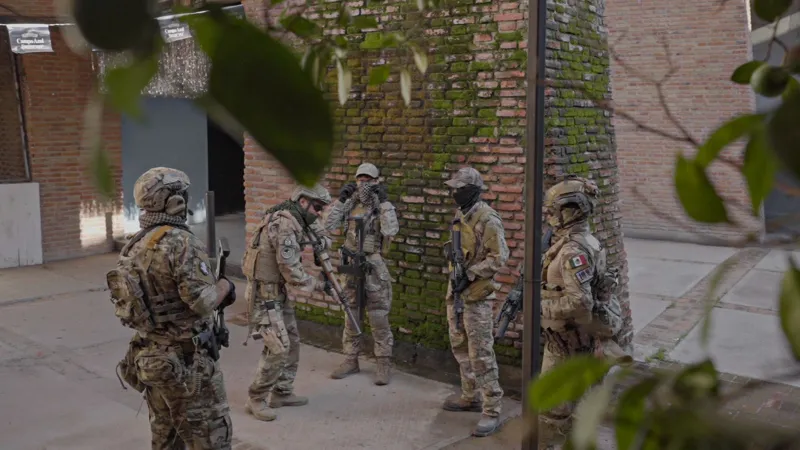
When your team stacks two or three players within five feet of each other at the same angle, you've essentially handed the opposing team a cheat code. One well-placed utility — a flash, a molotov, a grenade — wipes out multiple players simultaneously. One aggressive push from a single enemy with decent aim turns a 3v1 into a 1v1 before your teammates even have time to react. And the player with the best aim on your team? They're stuck behind two guys who are blocking their line of sight, their movement, and their escape options.
You're not playing five-on-five anymore. You're playing one-on-five, and that one person happens to be you.
Trading Is a Gift You're Wrapping for the Enemy
The word "trade" gets thrown around a lot in shooter communities, but let's be real about what a trade actually means when your positioning is bad. A trade isn't just losing a player — it's losing a player in a way that was completely predictable and preventable.
When two teammates are stacked at the same angle and one of them pushes, the enemy knows exactly where to look next. The second guy is coming from the same spot, same height, same trajectory. There's no new information. There's no pressure from an unexpected direction. The opponent just pivots two degrees and picks up a free second kill.
Good spacing eliminates this. When players hold different angles — even just spreading across a ten-foot window — the enemy has to make a decision. They can't hold both at once. They have to choose, and that choice creates hesitation. Hesitation is where your skilled aimers thrive. But if you're all crammed into the same doorway, there's no decision to make. There's just a target-rich environment.
How Bad Spacing Neutralizes Your Best Player
This one stings, but it needs to be said. If your team has one guy who is genuinely better than everyone else in the lobby — cleaner aim, better game sense, faster reactions — poor spacing will neutralize him faster than any opponent can.
Here's why. When your best fragger is forced to hold a position with no support coverage, enemies can double-swing him without risk. Why? Because your other teammates are bunched up somewhere else, unable to provide crossfire. The enemy sends two players from slightly different angles, and even the sharpest aim in the world struggles to deal with two threats arriving from split directions at the same time.
Your star player isn't losing because they're getting outaimed. They're losing because the team's formation forced them into a 1v2 with no backup. That's a positioning problem, not an aim problem.
Now flip it. Put your best aimer in a position where teammates are covering flanks at spread angles. Suddenly the enemy can't double-swing without getting punished from the side. Your star player only has to deal with one threat at a time. Now their aim actually shows up in the scoreboard.
The Practical Fix: Spread, Cover, and Communicate Depth
Fixing this doesn't require a complete overhaul of how you play. It requires three habits that every team can build with a bit of intentional practice.
Spread your default width. When holding a site or setting up for a push, no two players should be sharing the same angle if they can avoid it. Create horizontal distance between players so that a single flash or a single aggressive peek can't catch multiple teammates at once.
Think in terms of depth, not just width. Don't just spread sideways — spread in layers. One player close, one player mid-distance, one player deep. This creates multiple time-to-engagement windows for the enemy, slows their push, and gives your team time to react and reposition.
Call your position, not just your information. Most comms in pubs are about enemies: "Two coming B, one going mid." That's useful, but your teammates also need to know where you are. Quick position calls prevent the accidental stacking that happens when two players independently rotate to the same spot without realizing it.
The Mental Shift That Actually Changes Your Team
Here's the honest part. Most players don't fix their spacing because they're not thinking about it as a problem. They're thinking about aim, about economy, about their own individual performance. Spacing feels abstract — it doesn't show up in the kill feed.
But if you start watching your VODs with spacing in mind, you'll see it immediately. You'll see the rounds where your team was stacked at Banana and got wiped by a single nade. You'll see the pushes where your best player got doubled because nobody was holding the flank. You'll see how many of your losses weren't about individual skill at all.
The players who climb aren't always the ones with the fastest trigger fingers. They're the ones who create situations where their aim can actually do its job. Spacing is how you build those situations.
Your crosshair placement is already doing the work. Give it somewhere worth aiming.