The $50K Illusion: What Bootcamps Actually Fix and What They Just Photograph Well
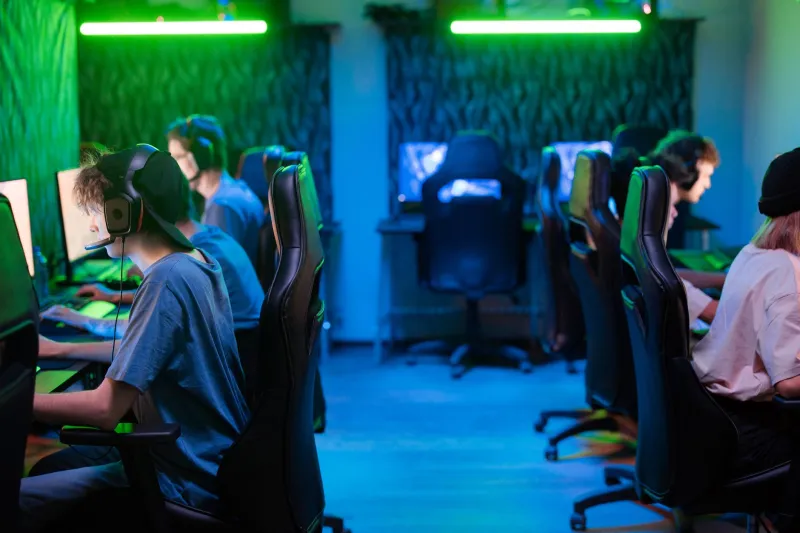
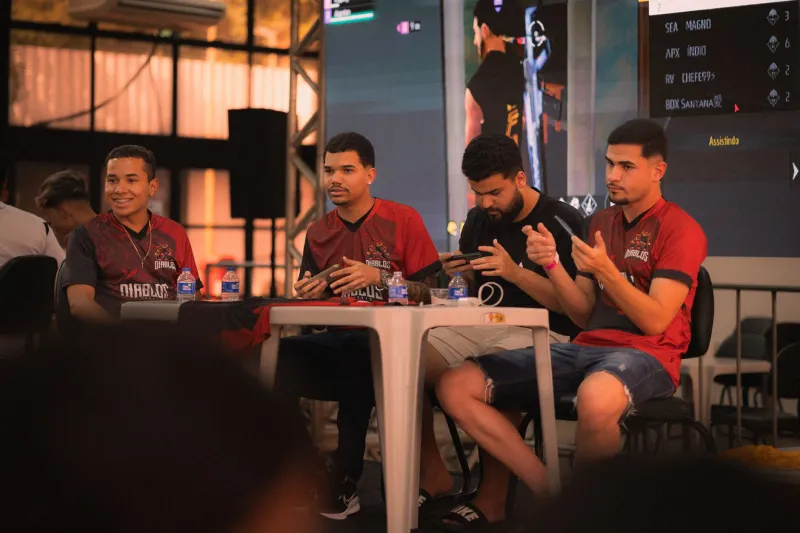
The photos always look the same. Six players in matching hoodies, hunched over identical setups in a rented house somewhere. Custom banners on the wall. Energy drink cans staged artfully in the background. The caption says something about locking in, about sacrifice, about going to war together.
The organization posts it to their socials and the engagement is great. Sponsors see the content. Investors see activity. Fans see a team that looks serious.
And sometimes — not always, but sometimes — the team goes to the tournament and gets bounced in round two by a squad that practiced from their bedrooms.
The bootcamp industrial complex is real, it's expensive, and it's worth examining honestly. Because buried inside the hype is a legitimate question: what does a bootcamp actually do, and is it worth what organizations are spending to run one?
What a Bootcamp Is Actually Selling
Let's separate the genuine value from the theater, because there is genuine value — it's just not what most orgs are paying for.
The core promise of a bootcamp is simple: eliminate distractions, force proximity, and compress preparation time. In theory, a team that spends a week in the same house is playing more hours together, communicating face-to-face, and building the kind of real-time trust that online scrims can't replicate.
That value is real. Face-to-face communication during debrief sessions is meaningfully different from Discord calls. Reading a teammate's body language after a rough loss tells you things that text never could. Physical co-location creates accountability — it's harder to mentally check out when your IGL is sitting three feet away.
But here's the catch. That value is available for about $2,000 in Airbnb costs and five laptops packed into a van. The rest of what organizations spend on bootcamps — the travel, the premium facilities, the production-ready content infrastructure — is largely purchased for audiences that aren't in the server.
The Actual Numbers
A well-documented tier-one bootcamp for a five-person roster includes flights, accommodation, equipment rental, coaching staff travel, content creation crew, and facility fees. Conservative estimates land in the $30,000-$60,000 range for a one-week camp. Some organizations running pre-major camps are spending significantly more.
For that investment, teams typically get: a week of structured practice in a new environment, some face-to-face coaching sessions, and content that performs well on social media.
What they don't get is a guaranteed competitive edge. And the data on bootcamp ROI in esports is genuinely mixed. Teams that perform well after bootcamps often performed well before them — the camp confirmed their preparation rather than created it. Teams that were struggling before the camp often continue struggling after it, just with better photos.
The preparation that actually moves the needle — VOD review, structured anti-strat sessions, disciplined utility practice — doesn't require a gaming house in Los Angeles. It requires time, focus, and a coaching system that knows what it's looking for.
What the Underdogs Are Actually Doing
This is where it gets interesting.
Some of the best-prepared teams entering major open bracket tournaments in North America right now are running zero-travel preparation cycles. They're not doing bootcamps. They're doing something less photogenic but arguably more effective: scheduled, structured online practice with rigorous debriefing built into every session.
These teams are blocking out eight-hour practice windows with defined goals for each session. They're doing their VOD review synchronously — everyone watching the same clip at the same time, pausing to discuss reads. They're building anti-strat documents collaboratively in shared notes apps. They're running scrims against teams above their level and taking the losses intentionally to stress-test their systems.
None of this looks good on Instagram. All of it translates directly to in-game performance.
The competitive advantage these teams have isn't resources — it's intentionality. They know exactly what they're trying to fix before each session starts and they know how to evaluate whether they fixed it. That clarity is more valuable than proximity.
Where Bootcamps Do Actually Work
Fair is fair. There are specific scenarios where the bootcamp model genuinely earns its price tag.
LAN preparation is one of them. If a team primarily scrims online and is about to compete at a major LAN event, the transition to LAN conditions — different equipment, crowd noise, physical stage nerves, no personal peripherals — is a real adjustment. A bootcamp that specifically simulates LAN conditions, including playing on unfamiliar setups under time pressure, addresses something that online practice cannot.
New roster integration is another. When a team has just made a roster move and needs to rapidly build chemistry with a new player, the compressed time of a bootcamp genuinely accelerates the process. What might take three months of online scrims to build can be approximated in a week of co-located practice, because the communication density is dramatically higher.
And for teams that have legitimate distraction problems — players dealing with home environment issues, inconsistent schedules, or communication friction that persists online — physical co-location removes variables that are genuinely hurting preparation.
The problem is that organizations often run bootcamps regardless of whether these specific conditions apply. The camp becomes a default rather than a tool.
The Content Budget Problem
Here's the uncomfortable truth that nobody in the organization wants to say out loud: a significant portion of bootcamp budgets are justified by content output rather than competitive preparation.
A team that produces a bootcamp vlog series generates measurable sponsor value. The content is engaging, the production looks professional, and it keeps the organization visible during the preparation window. That's a legitimate business consideration.
But it starts warping the preparation itself. Teams schedule content shoots during practice hours. Coaching sessions get shortened to accommodate filming. Players are tired from travel and still expected to perform at peak during sessions that are being recorded.
The bootcamp becomes a production, and productions have different priorities than preparation.
How to Actually Use a Bootcamp
If you're running a team and a bootcamp is genuinely in the budget, here's how to think about it.
Start with a specific problem list. What are the three things your team needs to fix before this tournament? If those problems are fixable through co-location — communication friction, LAN adjustment, new player integration — the camp has a purpose. If they're skill-based or system-based, you can fix them from home.
Protect practice hours from content. The sponsors will survive. Two clean eight-hour practice sessions will do more for your tournament performance than eight hours of filming with two hours of actual practice squeezed in.
Bring a coach who has a plan. Not a hype man. Not someone to manage the content schedule. Someone who knows what the team's tendencies look like under pressure and has specific drills designed to address them.
And if you can't answer the question "what specific problem does this bootcamp solve" before you book the flights, save the money. Put it toward better coaching infrastructure, more scrim opportunities, or the next tournament entry fee.
The teams winning rounds right now aren't the ones with the best bootcamp photos. They're the ones who knew exactly what they needed to fix and went and fixed it — regardless of the zip code.